A glimpse into robotics in China...
and what the rest of the world can learn from them. My experiences talking to a large contingent from China at the Humanoids Summit 2025
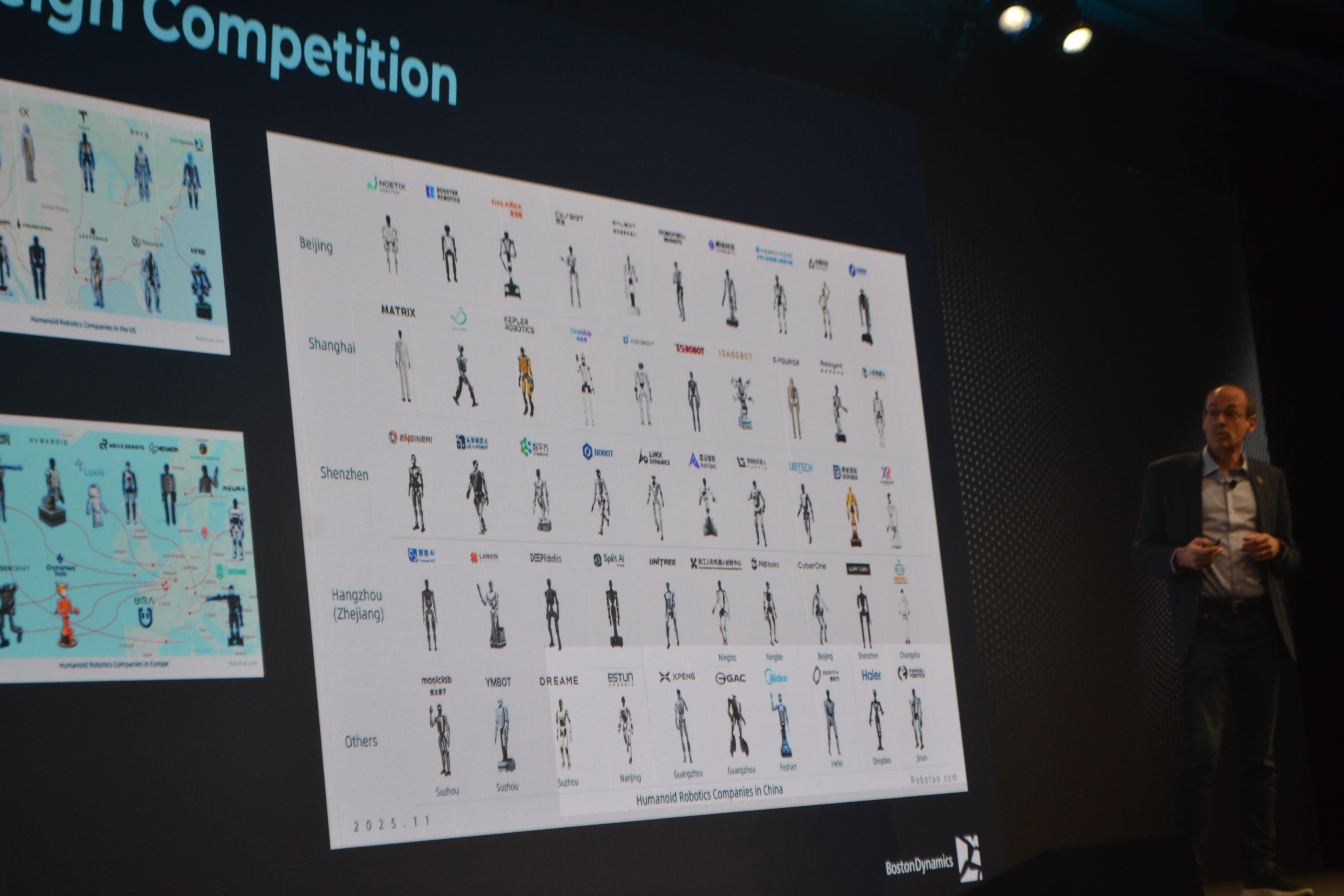
One of the striking differences at the Humanoids Summit that was hosted last week compared the one in 2024 was the large presence of startups from China. Speakers mostly converged on two narratives:
(1) China has a superiority in humanoid manufacturing owing to its traditional strength in industrial manufacturing, tens of startups building humanoids, and the ability to scale production quickly.
(2) The US has a lead in the robotics brain with multiple robotics foundation models built by extremely well funded startups such as SkildAI and Physical Intelligence.
Creating a robust ecosystem of humanoid robots which can succeed at societal tasks and provide true economic value to humans will need a marriage between the two, and hence a healthy competition and collaboration between the United States and China is the need of the hour.
Cultural Elements
There are many cultural elements which have made humanoids leap through an exponential growth in public perception in China. Children in China are very interested in robotics and humanoids, and have much earlier exposure to these fields than their US counterparts. As an example, the public school my 9 year old son attends in the United States barely has any software/ Artificial Intelligence/ robotics exposure in their curriculum. Industrial conferences on robotics and humanoids are very well attended. There also exists a huge breadth of humanoid market in China. There are at least 150 manufacturers in the humanoids ecosystem, probably far too many from a single country. Manufacturing in China is so good that one can pick up servos and parts from a warehouse and build a humanoid robot at home (Just like one used to custom build a desktop computer from individual components). The same is impossible in the US. China leads the world in using more robots in factories than the rest of the world combined. Also pay attention to recently held Humanoid Olympics in China, which trended widely on social media. And don’t forget to read Benjie Holson’s essay on why he was disappointed by the Humanoid Olympics, and the events in which he prefers humanoids to compete with each other.
A Healthy Competition
In China, municipalities compete with each other to setup up funds to build humanoid factories. As an example, Wuhan has setup a $139 Million fund to help setup humanoid manufacturing factories over the next three years. Even that amount is small compared to the $14 Billion fund that Beijing has. Other municipalities similarly provide incentives to draw talent, something rare in the US. There is an emphasis on building an affordable humanoid, so that software developers can have easy access to humanoids and program them. As an example, there were two startups demonstrating and selling programmable desktop humanoid robots at the Humanoids Summit: Booster Robotics and High Torque Robotics. (I will write another post discussing the details on humanoids sold by these two companies). In short, there exist national strategies to drive success in robotics, with fierce competition in the ecosystem.
Societal need
One panelist, Kimate Richards from AWS, shared an amazing experience. At the top of the Great Wall, he ordered coffee. A drone came down and delivered a latte. If you don’t believe this, check out a drone airport in Shenzhen, China. Delivering goods remotely with drones and robots is a very big market, and very common in big cities and tourist hubs of China. Elderly care is also a very important application in China, given the dwindling population of able bodied workers. Another interesting trend is that young people are also are not finding typical mechanical jobs stimulating, and there is an immense lure for talented people to work in a robotics or humanoids startup.
Robotera
One major humanoids robot manufacturer who presented at the Summit was Robotera. Robotera manufactures the full-size L7 humanoid (171cm height) with 55 Degrees of Freedom (DoF). Robotera has focused on building nimble hands which can handle delicate tasks such as bar-tending with immense precision. Its robot finds use cases in industrial applications (sorting, shelving, scanning, and using tools). Another surprising use case seen by them is entertainment and tourism. Lots of customers wish to rent the humanoid to show off skills such as hip-hop dancing, kick-boxing, and 360 degree jumps at events (As per the presenter, the Robotera L7 was the Gold Medal Winner for both long and high jump at the Humanoid Olympics). Tourists desire to pose with the humanoid and snap pictures for a price. In all, Robotera has signed up 700 orders and shipped over 500 humanoids (Quite an impressive number). On the funding side, public reports show that Robotera has raised more than $140 million from investors, including the VC arm of Geely, the owner of Volvo cars. You can check out cool videos at their website.
Conclusion
I am now eager to go to China and see some of the progress in robotics, drones, and humanoids by myself. If you have some experience in the robotics and humanoids industry in China, please join the conversation in the comments below.


